
As a Speech Pathologist with more than 20 years’ experience, Mel has spent most of her career working in early literacy development. Her background gave her a clear insight into the connection between oral language, speech sounds, phonological awareness, reading and spelling.
Reading Bees built its reputation for supporting kinder children, but there was also a growing need for structured literacy support for primary-aged students, outside of school, too.
When Mel became the owner of Reading Bees in 2021, she launched a phonics-based program for children struggling to read in primary school.
“So many families were looking for help once their kids started school. Some children were finding spelling difficult, while others were struggling with reading, writing or general classroom confidence,”
“Reading Bees had previously trialled a primary program, but it was more grade-based, so parents enrolled their child into the group that matched their year in school. There wasn’t a screening process or grouping of kids at the same level,” – Mel
Mel recognised that these children did not need a one-size-fits-all program. They needed thoughtful assessment with targeted placement and small-group support that matched their current skills. Mel was determined to introduce a skills-based approach to addressing reading issues in primary kids.
So Reading Bees expanded, and the Primary Program was launched.
The phonics-based Primary Program was created specifically to address the skills gap in reading, writing and spelling. Today, this program is offered at seven of the eight Reading Bees studio locations and helps hundreds of primary students every term.
Why is the Reading Bees’ primary program different?
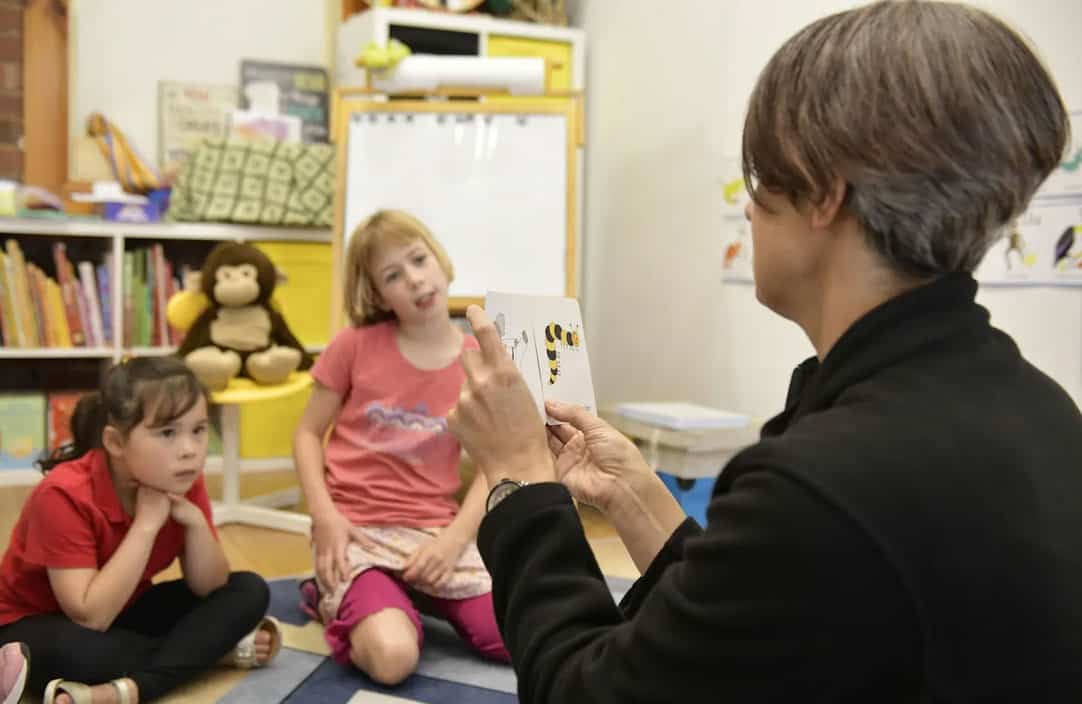
The Reading Bees Primary Program really is different.
Research proves that children learn best when they are supported at the right level. By grouping children with peers at a similar learning level, Reading Bees creates a calm, targeted environment where students can build skills at their own pace and experience regular success along the way.
Before enrolling, each primary student has a 20-minute screening with a Reading Bees educator. This allows the team to understand each student’s phonemic awareness, reading, and spelling skills, as well as the areas where they need the most support.
From there, students are placed into small groups based on their observed skill level, rather than simply their school year. It’s not unusual for a Year 1 and a Year 3 student to be in the same Reading Bees primary class. This is one of the key differences in the Reading Bees approach.
Why the Primary Program has nine levels
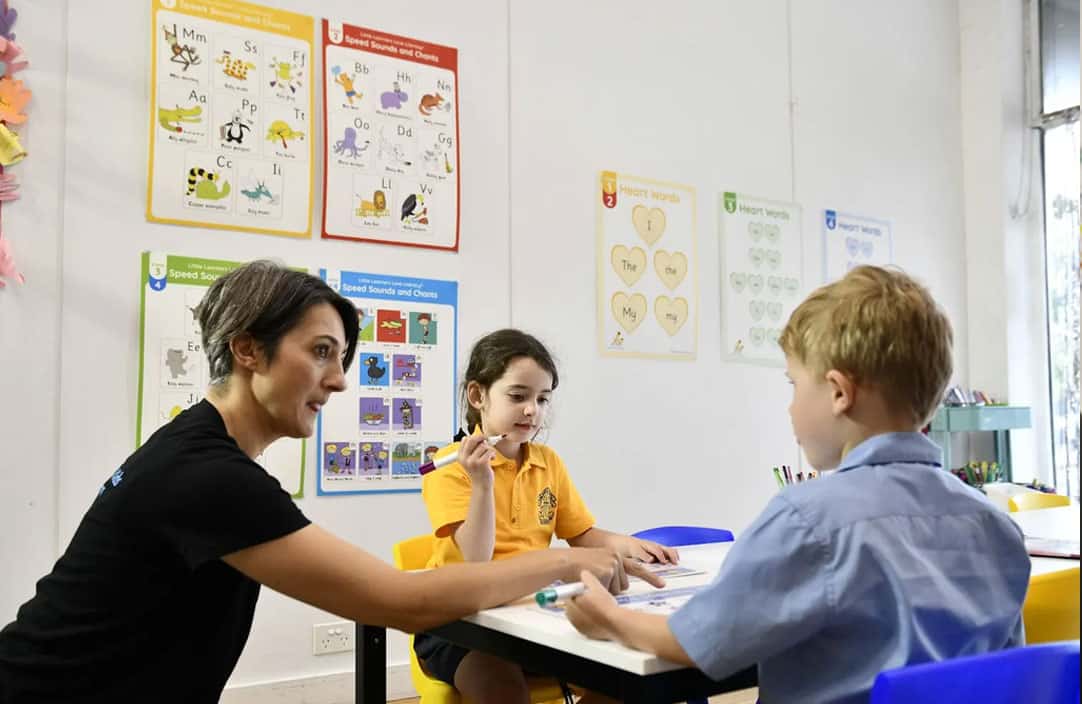
Reading Bees has carefully combined the stages of the Little Learners Love Literacy curriculum for primary-aged students into nine possible Reading Bees levels.
These levels allow children to progress in a way that is structured, supportive and realistic. Students are not pushed ahead before they are ready. Instead, they build strong foundations first, then continue developing the reading and spelling skills they need for long-term success.
As Mel explained, “Strong foundations are the key to continuous progress. At Reading Bees, qualified educators make sure every student succeeds at each level before advancing.”
This is also why the primary class schedule changes every term. As students progress and go up a level, the primary class timetable is reviewed and adjusted so each child can progress through to the next level with peers at the same learning level. This approach takes a lot more planning behind the scenes, but the Reading Bees team would not do it any other way because it allows them to deliver more consistent learning outcomes.
For families with a Prep to Year 3 child who needs support with reading or spelling, the first step is to book a Primary student screening through the Reading Bees app. From there, the Reading Bees team will identify the right starting level and help your child build skills, confidence and a clear path forward.
Small classes make a big difference
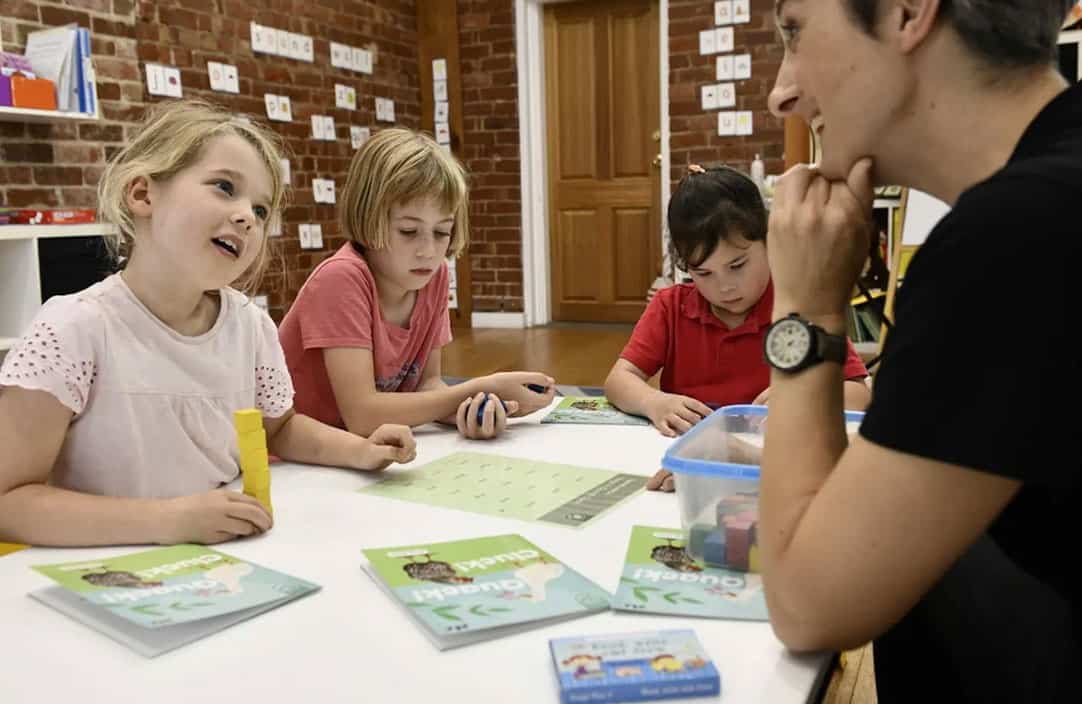
One of the things that parents love about Reading Bees is its focus on small, targeted classes.
For primary students, small groups mean every child has more opportunities to read, spell, write, practise and receive feedback during each lesson. It also means educators can notice the details that make a real difference, such as a sound a child is struggling with, a spelling pattern that needs more practice, or a student who is guessing words instead of decoding them.
“We don’t expect mastery at every step. It’s about building the foundation for success; are students going to be challenged or struggle if we push them? In our primary classes, we observe the children closely as their literacy skills emerge and strengthen. This is one of the many benefits of our small classes and why we consistently see our primary students gain confidence after just two or three lessons,” – Mel
This kind of individual attention is especially important for children who have started to feel unsure about reading or spelling. With the right support, children can begin to feel safe enough to try, practise and improve without the pressure of needing to keep up with everyone else.
Quick FAQ
- How long is the primary student’s screening?
- Each primary student screening is 20 minutes.
- What do I need to bring?
- Nothing. ☺️ Everything you need is provided.
- IMPORTANT—Please DO NOT bring food to Reading Bees. Due to allergies, we do not allow food in our learning studios.
- When will I know which primary class my child will attend?
- After your screening, please allow two days to receive your primary class recommendation. We will email you with the recommended primary class level based on the assessment made by our qualified educators.
- What if I can’t make it?
- Please let us know if you need to cancel your screening using the Reading Bees app. Please provide at least 2 hours’ notice and follow these simple instructions.
- This process helps us manage all student absences, including those for primary student screening appointments. For more information, please refer to our Student Absence & Makeup Policy (on your Reading Bees app).
Book a Primary student screening today
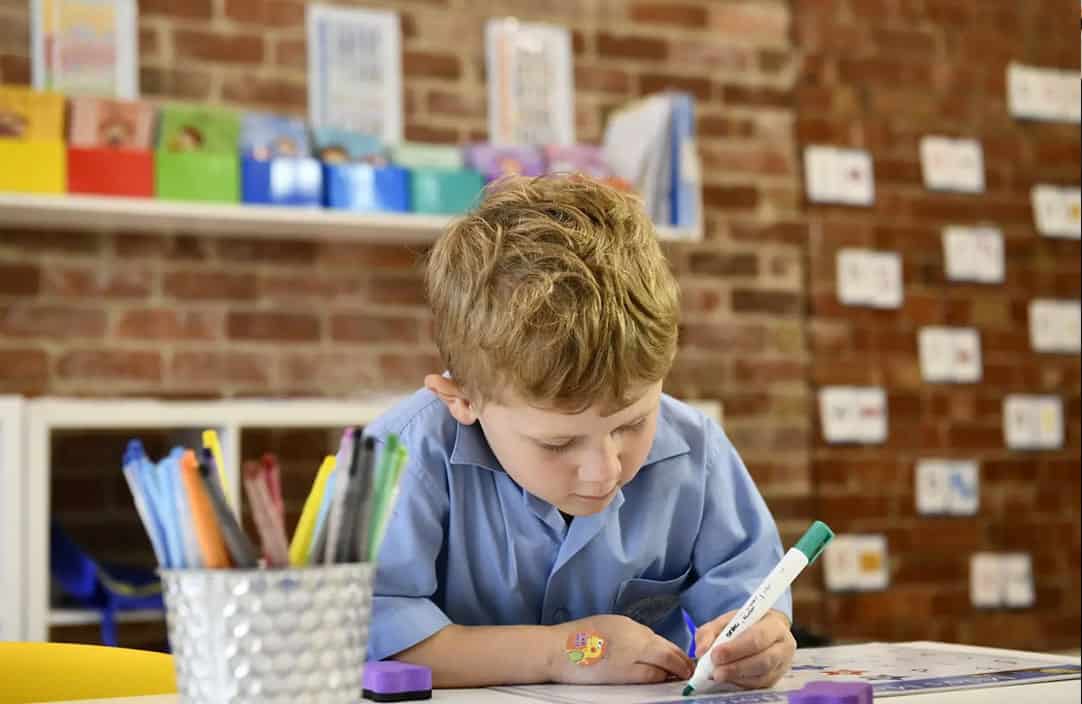
“For many families, the most meaningful change is not just academic progress. It is the boost in confidence. As children experience success and develop mastery, reading feels less like a struggle and more like something they can enjoy,” – Mel