
When a child is finding reading hard, it is tempting to wait and hope it clicks on its own. But early literacy intervention — targeted help as soon as a gap appears — is one of the most effective things you can do for a young reader.
Why acting early matters
Reading builds on itself. A child who hasn’t mastered letter sounds will find blending difficult; a child who can’t blend will struggle to read new words; and a child who struggles to read starts to fall behind in every subject that relies on reading. The longer a gap goes unaddressed, the more there is to catch up on, and the more a child’s confidence can take a hit along the way.
Helping early means the gaps are smaller and quicker to close. It also means children are less likely to decide they are “bad at reading” — a belief that can be harder to shift than the skill gap itself.
What good early intervention looks like
- It starts with finding the gap. A short assessment shows which skills a child already has and which are missing.
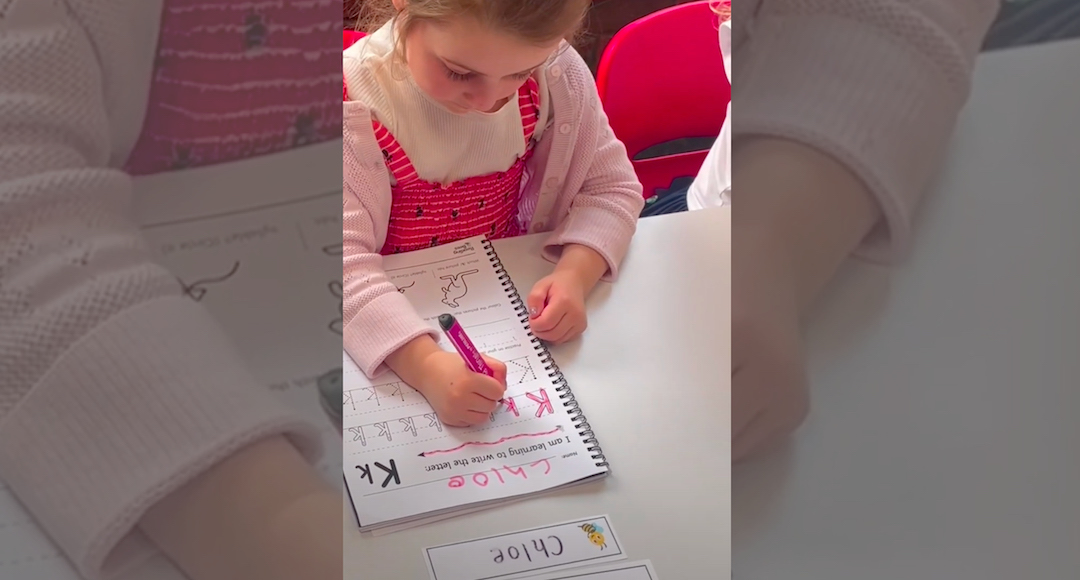
- It is explicit and systematic. Sounds, blending and spelling are taught directly, step by step, rather than left for children to work out.
- It happens in small groups. Children get plenty of practice reading aloud and immediate feedback.
- It is pitched at the right level. Children are grouped by the skills they hold, not their age or school year.
- It is regular. Short, consistent sessions build skills that stick.
How Reading Bees helps
Our Primary Program is built around these principles. Every primary student begins with a 20-minute screening, then joins a small group of 5 to 12 children focused on the skills they need. For younger children, our PreKinder and Kinder programs build strong foundations before school even starts. Ready to start? Book a primary reading screening.