
Learning which sound each letter makes is one of the very first building blocks of reading. It might seem simple, but this letter-sound knowledge is what allows children to work out new words for themselves.
Letters are a code for sounds
Written English is a code: letters and groups of letters stand for the sounds we say. To read, a child needs to crack that code — look at the letters, recall the sounds they represent and blend those sounds into a word. To spell, they do the reverse: hear the sounds in a word and choose the letters that represent them. Without secure letter-sound links, neither is possible.
Why we teach sounds, not just letter names
Knowing that a letter is called “em” doesn’t help a child read the word “mat”. Knowing it says /m/ does. That is why our classes focus on letter sounds first, so children can start blending simple words as early as possible.
Why explicit teaching beats guessing
Some children are encouraged to guess words from pictures or the first letter. That can look like reading in early books, but it breaks down quickly as texts get longer and pictures disappear. When children are taught the sounds directly and practise blending them, they have a strategy that works on any word — including ones they have never seen before.
How we make it stick
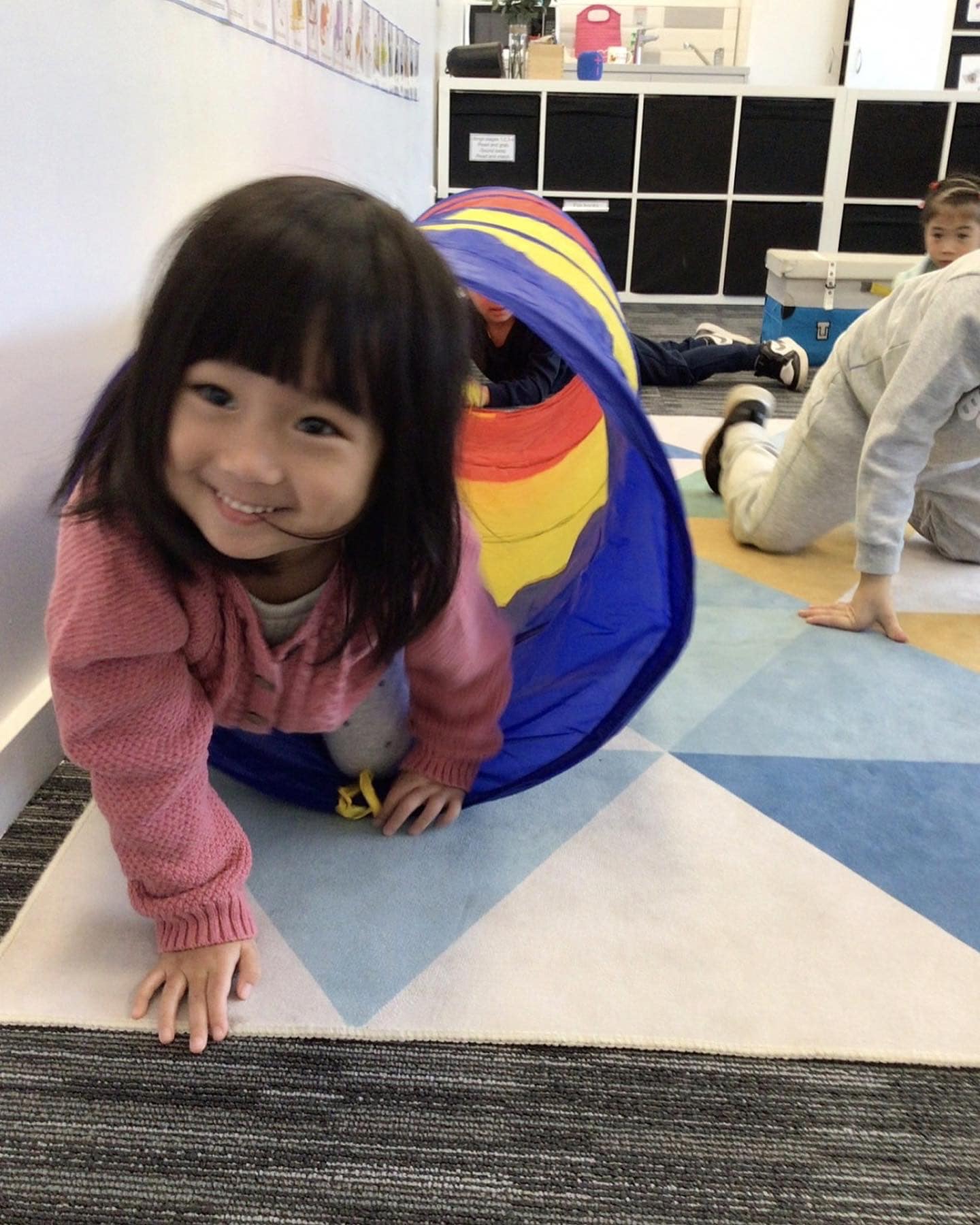
At Reading Bees, each letter sound is introduced through characters, songs, actions and hands-on activities, then practised again and again in games, silly sentences and real reading. Small groups mean every child gets to say the sounds, blend words and read aloud every lesson.
Learn more
Letter-sound knowledge is at the heart of our PreKinder and Kinder programs. Find your nearest studio and try your first class for free.